Dye or Die: Correct Usage in Everyday English 2026
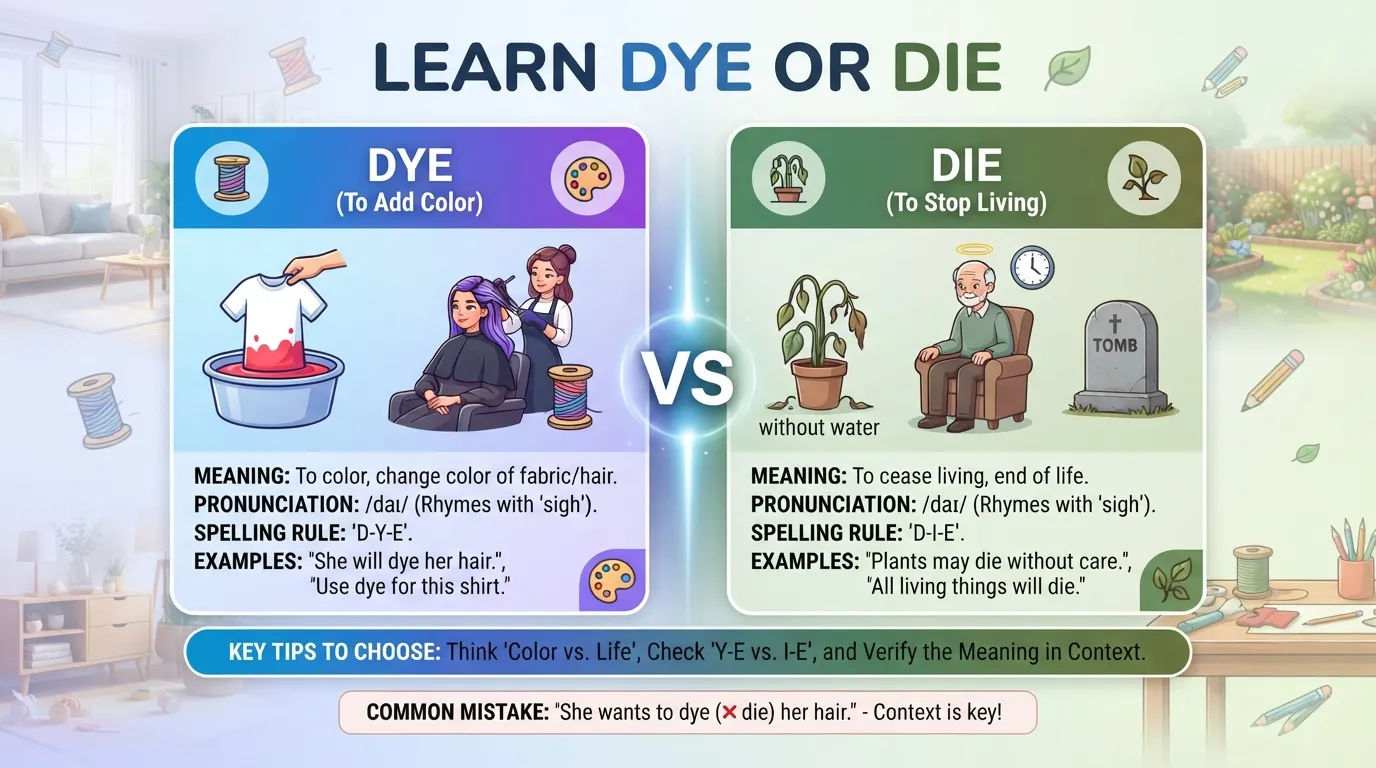
Dye means to add color to something. Die means to stop living. Imagine you want to change your white shirt ...
Read moreFiling or Filling: Which Word Should You Use? 2026
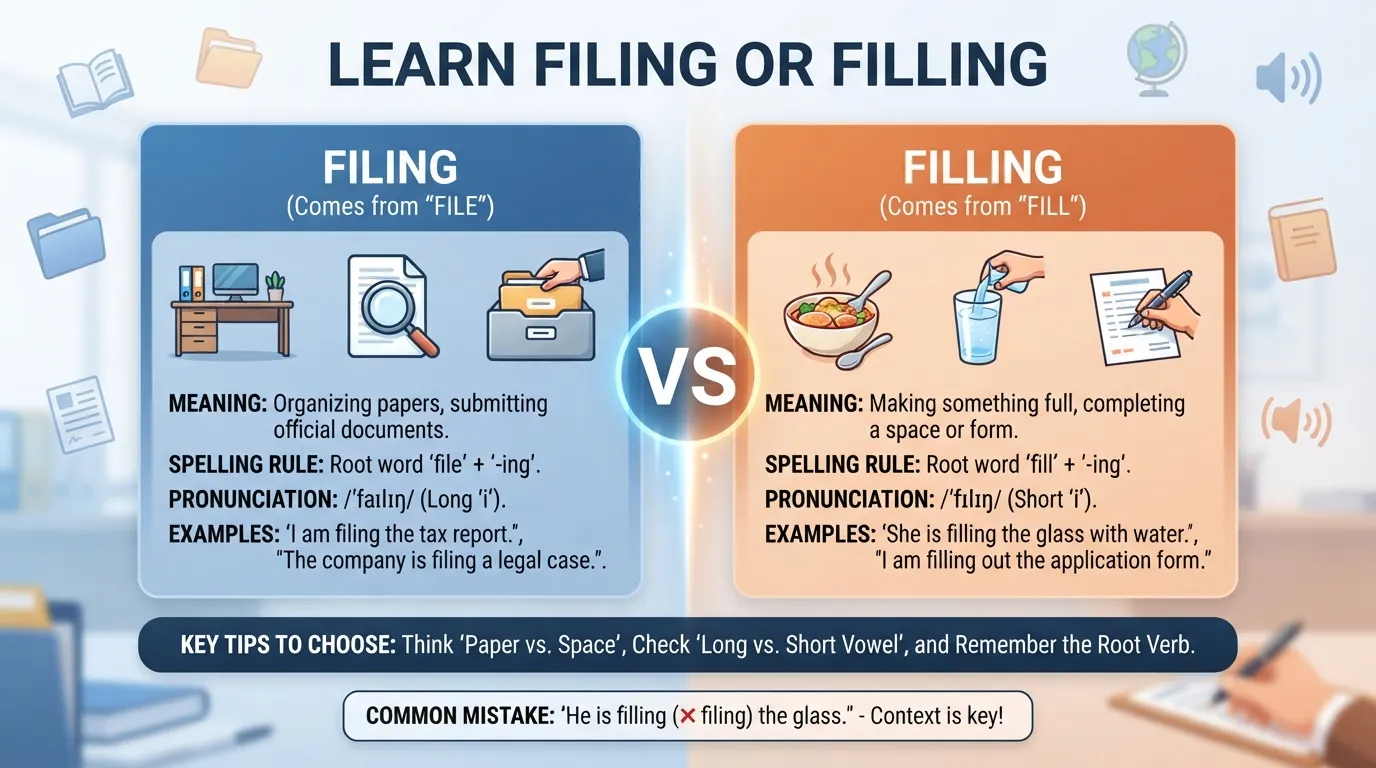
Filing means putting papers in order or sending an official form. Filling means making something full. Imagine you are at ...
Read moreExiting or Exciting: Which One Should You Use? 2026
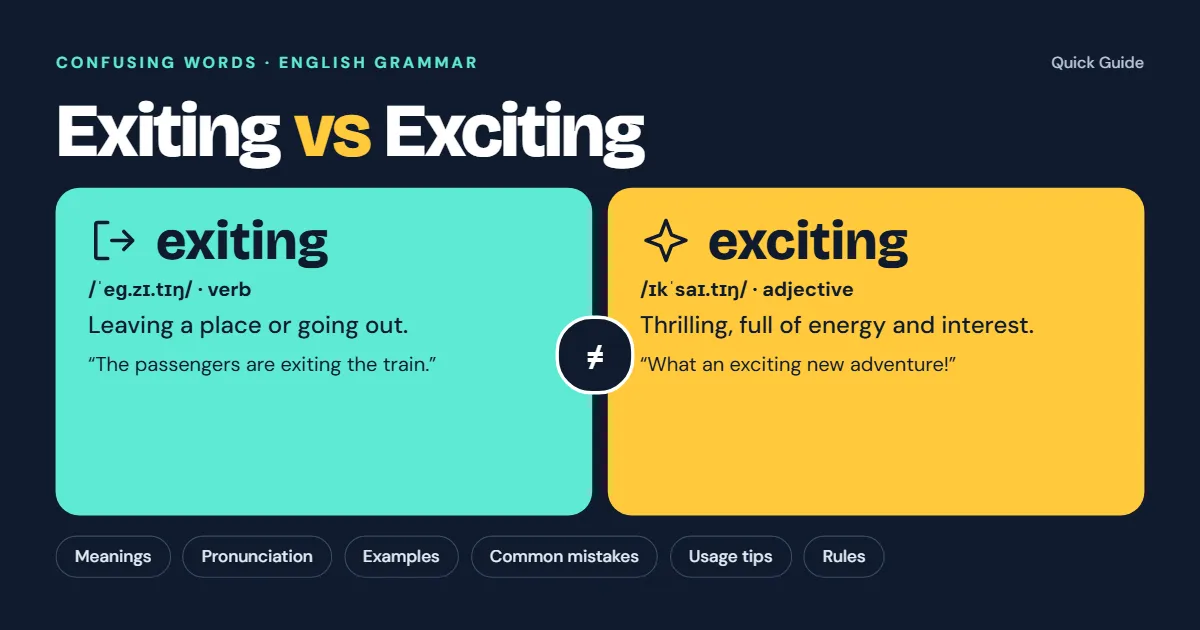
Exiting means leaving a place or situation, while exciting means something that makes you feel happy, interested, or eager. Imagine ...
Read moreAllusion or Illusion: Correct Word, & Everyday Usage 2026
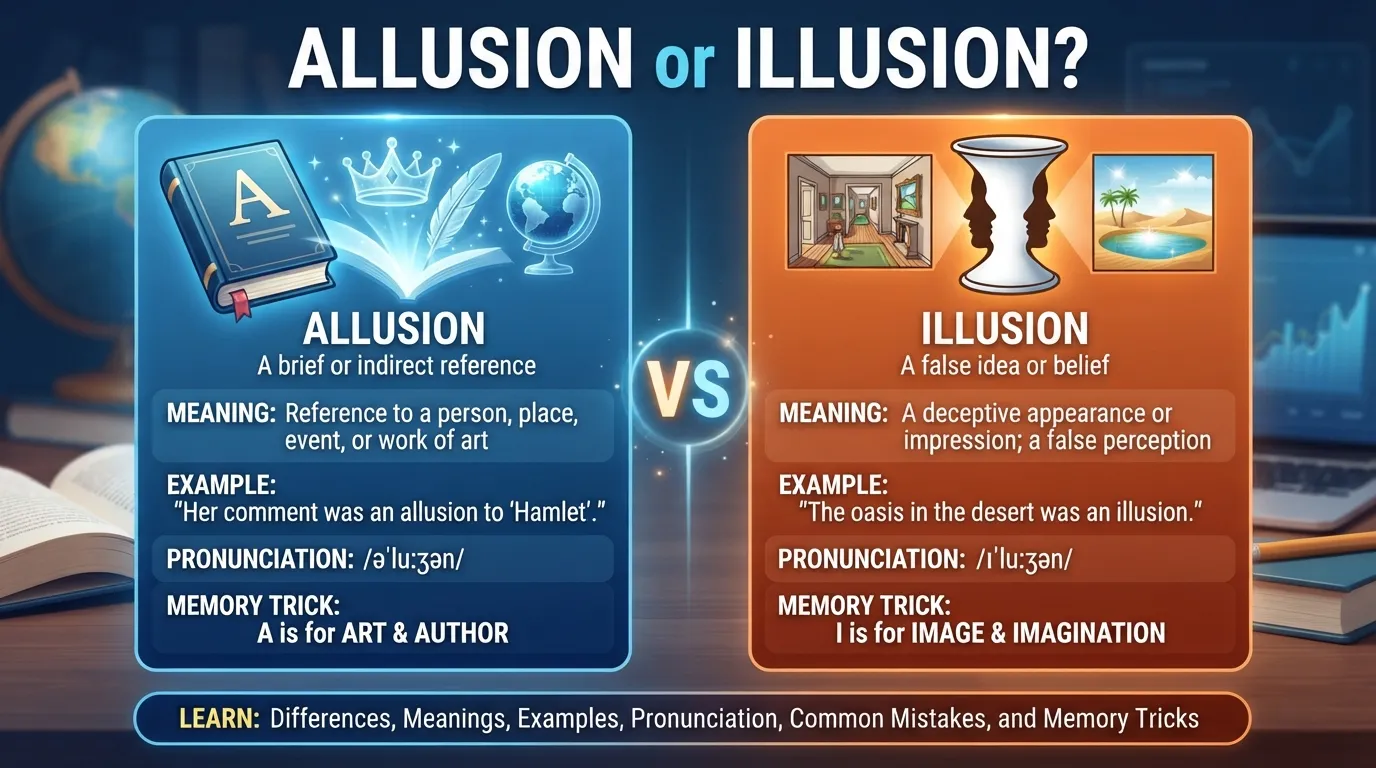
Allusion means an indirect reference, while illusion means a false appearance, impression, or belief. Imagine you are reading a novel ...
Read moreFlu or Flue: Definitions, Differences & Real-Life Examples 2026
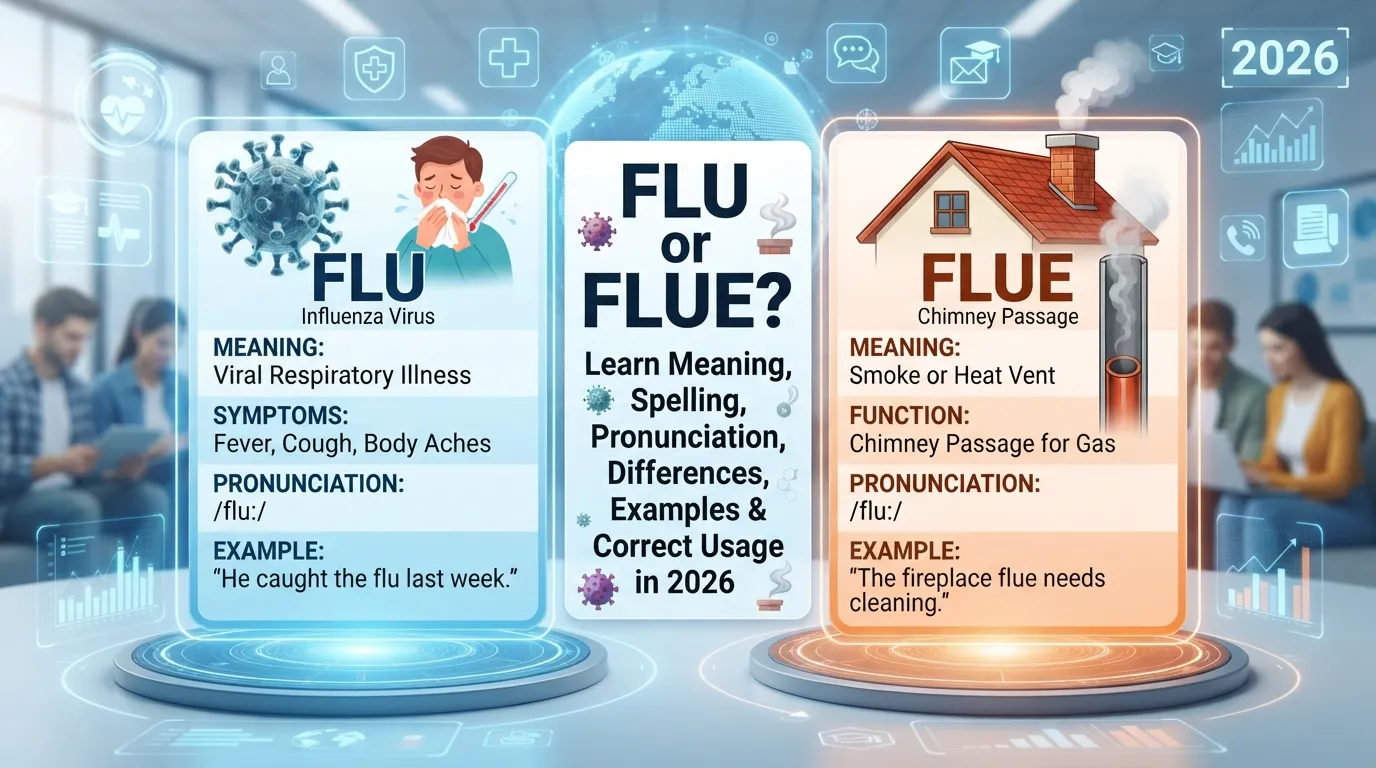
Flu means an illness, while flue means a pipe or passage that carries smoke or gases. Imagine someone says, “I ...
Read moreTubbing or Tubing: Meaning, Difference, & Usage 2026
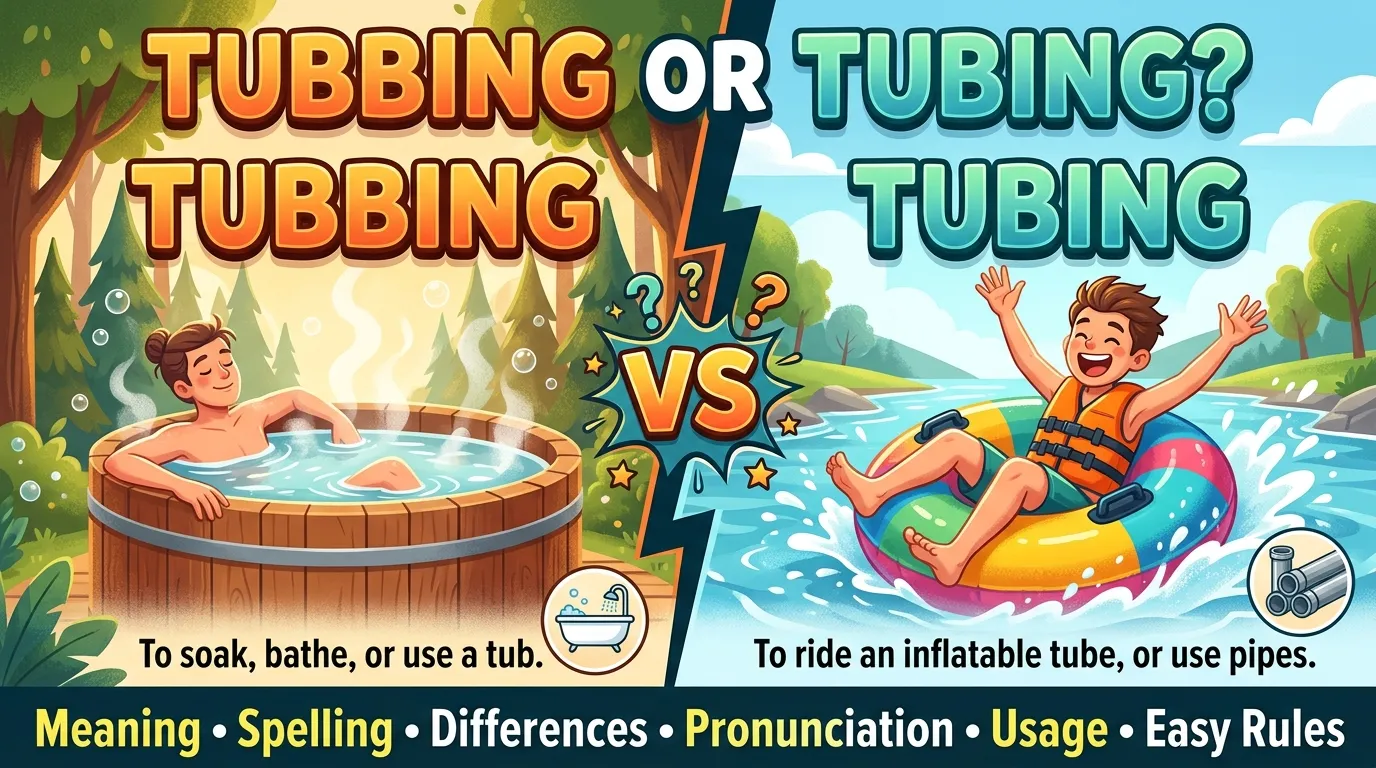
Tubbing and tubing are both correct words, but they have different meanings. Imagine you are planning a fun day on ...
Read moreInexcusable or Unexcusable: Meaning, Spelling & Examples 2026
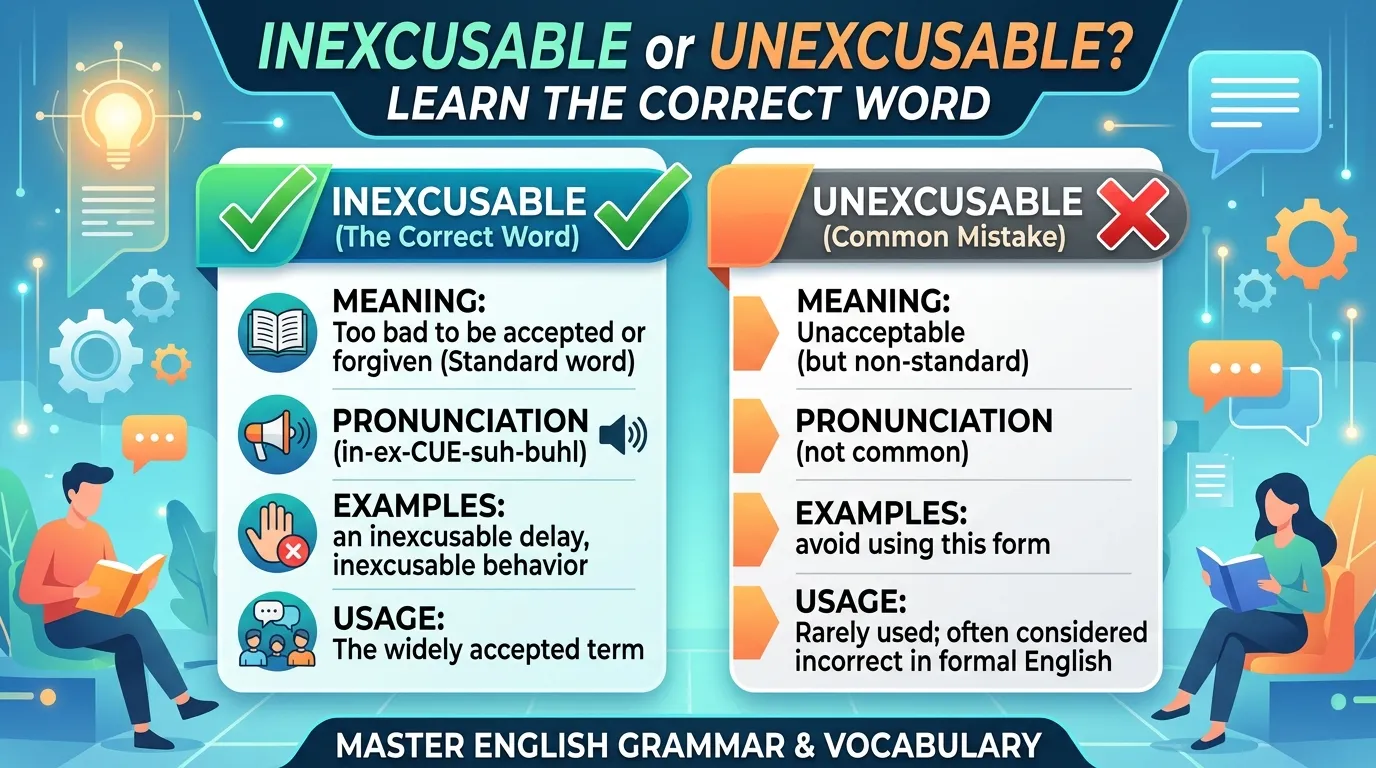
Quick answer: Inexcusable is the standard and much more common word. Unexcusable is rare but can mean the same thing. ...
Read moreMouldy or Moldy: British vs American Spelling Explained 2026
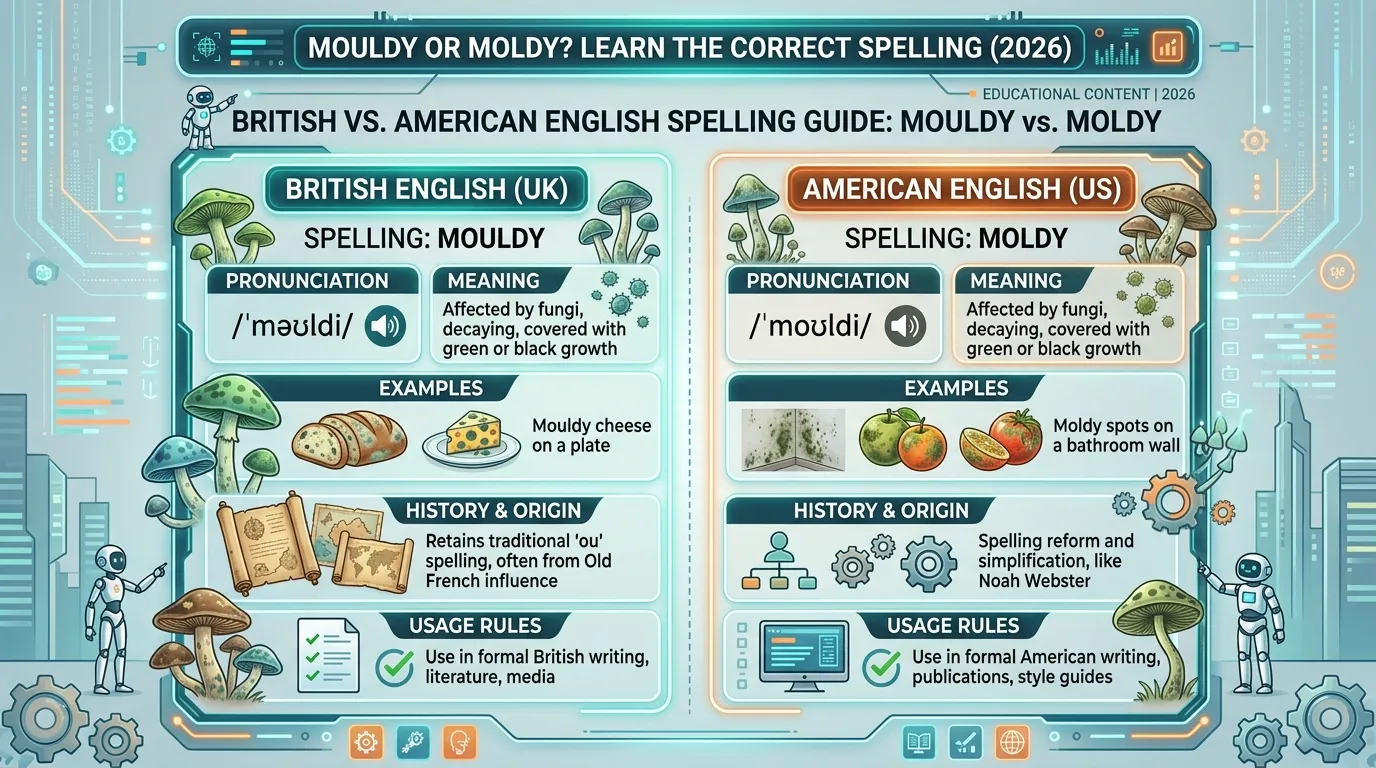
Mouldy and moldy are both correct spellings, but mouldy is more common in British English, while moldy is more common ...
Read moreEminent or Imminent: How Are They Different? 2026
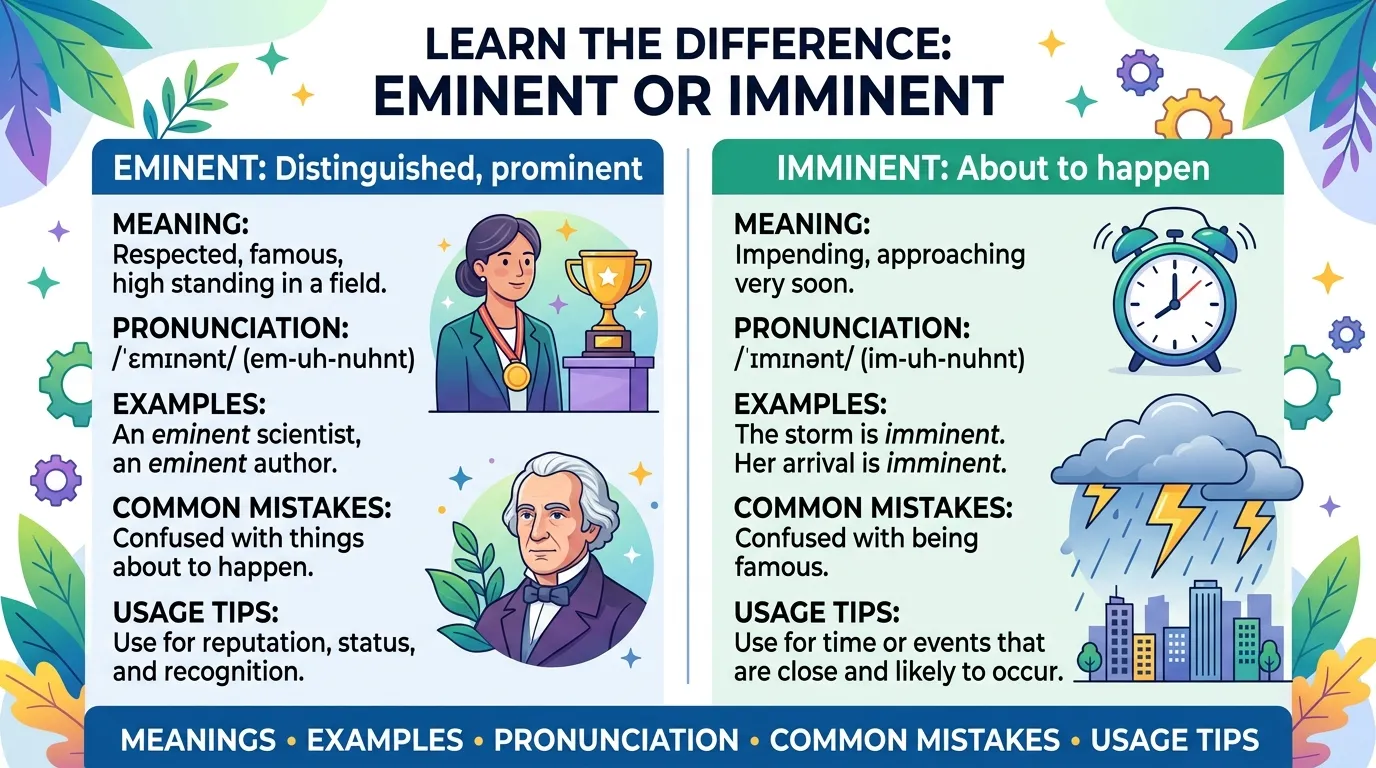
Eminent means famous or respected, while imminent means something is about to happen soon. Imagine you read a news story ...
Read more